January 24th, 12pm EST
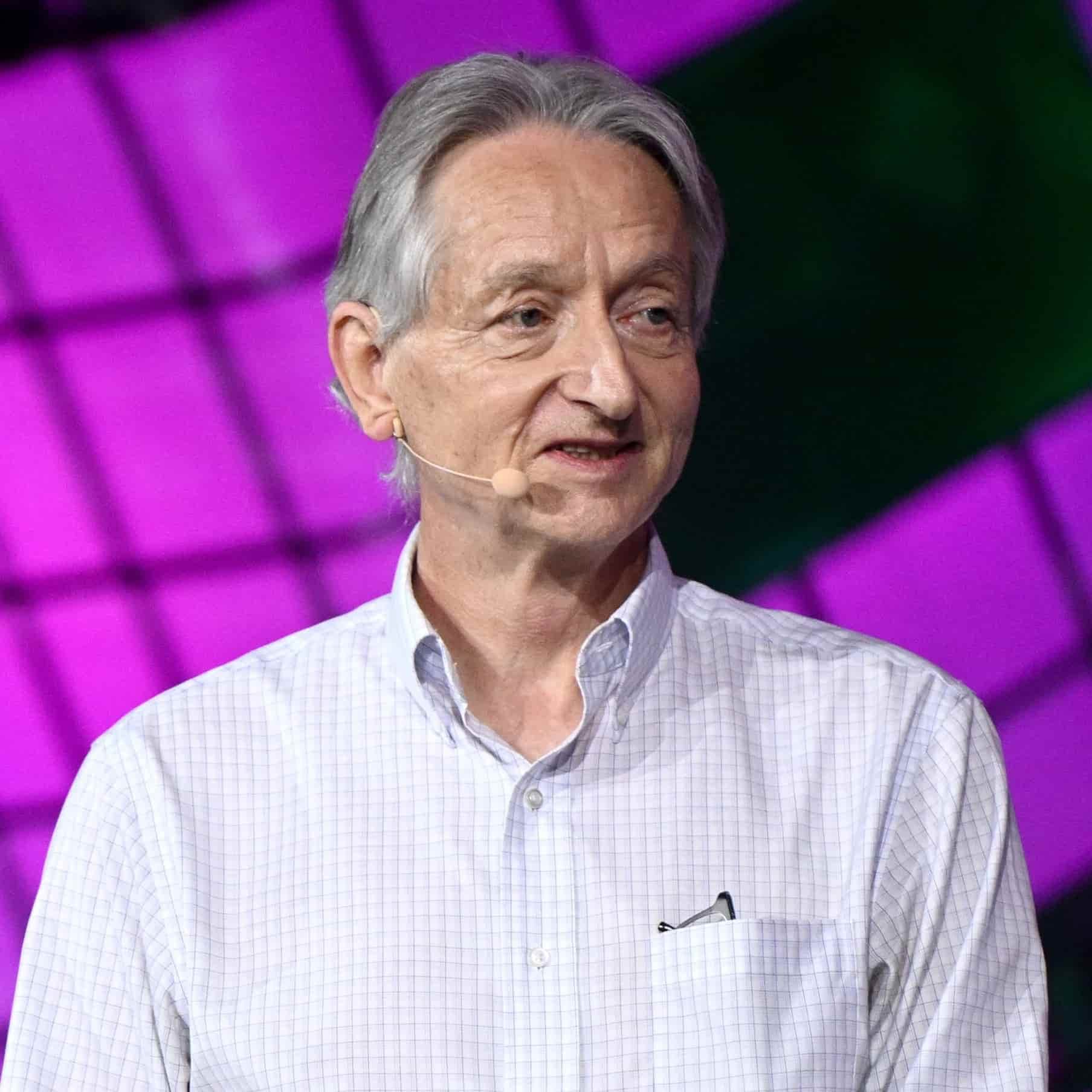
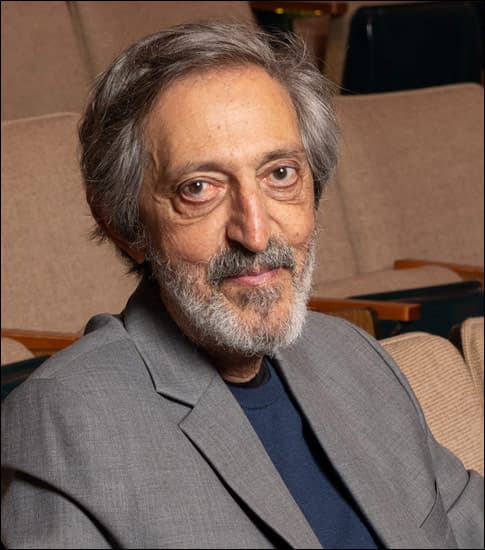
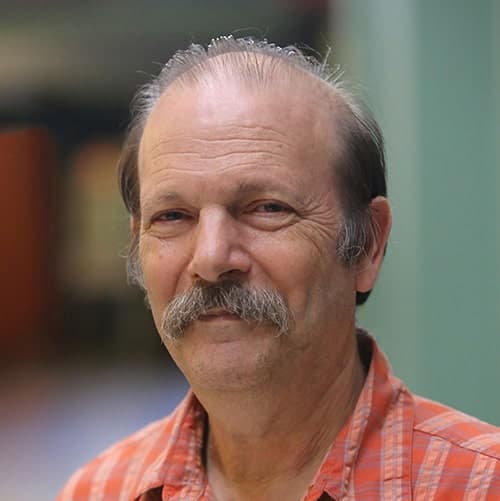
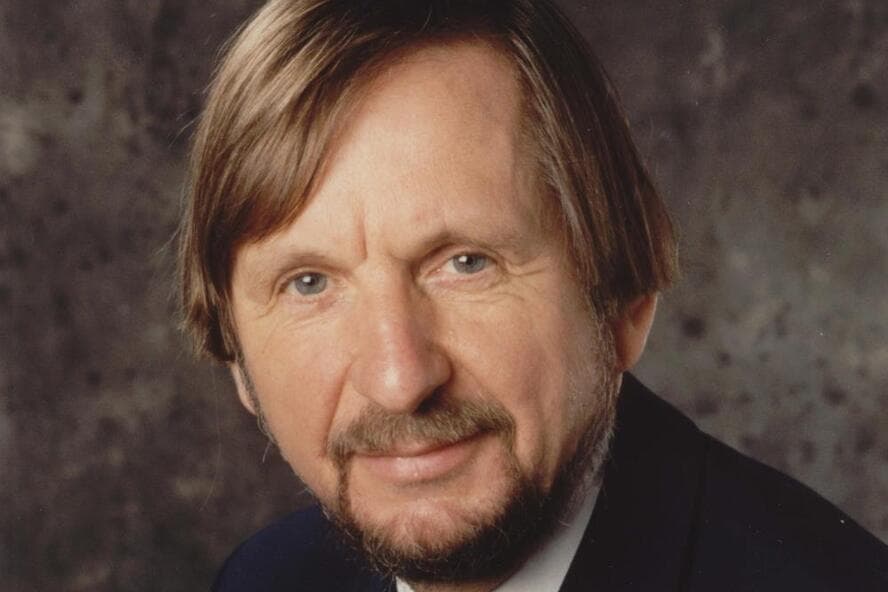
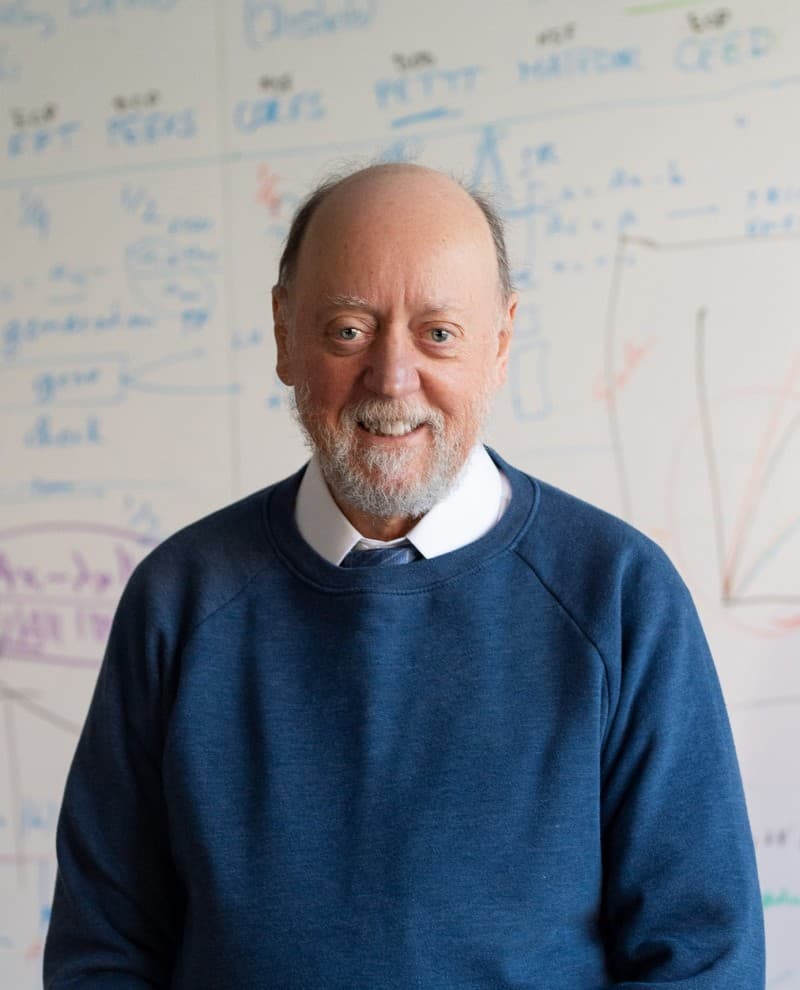
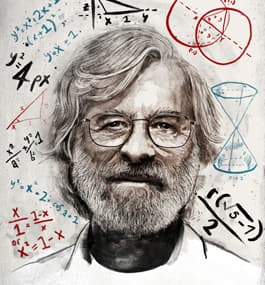
Dr. Leslie Lamport, a Turing Award recipient, is renowned for his pioneering work in distributed systems and as the creator of LaTeX.
Question of the Day
“If one-third of published math proofs contain errors, should we trust any system built on unverified reasoning?”
Insight: Lamport's answer is structured hierarchical proofs that can be checked at any level of detail. The goal is not machine-checked formalism for its own sake, but a discipline of precise thinking that catches errors at the design stage, where fixing them costs orders of magnitude less.
Talk Highlights: How to Write a 21st Century Proof (AMA)
Dr. Lamport argued that traditional paragraph-style proofs are insufficient for the precision demanded by computing, where tiny errors crash systems, and that structured hierarchical proofs are both more rigorous and more readable. He discussed the role of AI in theorem proving, the cultural resistance of mathematicians to adopting structured proofs, and why reasoning at the algorithm level rather than the code level is far more cost-effective for catching errors in concurrent systems.
Key Takeaways
- One-third of published mathematical papers contain incorrect results -- errors persist because if a result is important enough, other readers eventually catch them, but this tolerance is unacceptable for program correctness proofs.
- The incentive structure in academia actively discourages rigorous proofs: the best-case outcome is confirming what you already believed, and the worst case is discovering your theorem is wrong and losing the publication.
- Lamport distinguishes 'coding' from 'programming' -- programming includes specifying what a program should do and designing algorithms before any code is written, and proofs are most cost-effective at that algorithm level.
Notable Quotes
“The incentives are all wrong for writing rigorous proofs. The best case is you'll discover that your theorem is correct, which is something you believed in the first place, and the worst case is you will learn that it's not correct and you don't get the publication.”
“Mathematicians seem to be really afraid that they will have to write machine-checked proofs. I think what that indicates is some sort of very deep insecurity among mathematicians.”
Biography +
Leslie Lamport
Early Life and Education
Leslie Lamport was born on February 7, 1941, in Brooklyn, New York. He attended the Bronx High School of Science before earning his Bachelor of Science in Mathematics from MIT in 1960. He continued his studies at Brandeis University, receiving his M.A. in Mathematics in 1963 and his Ph.D. in 1972, with a dissertation on singularities in analytic partial differential equations supervised by Richard Palais.
Career and Contributions
Distributed Computing
Lamport began his career at Massachusetts Computer Associates (1970-1977), then moved to SRI International (1977-1985). During this period he produced foundational work in distributed computing, including Lamport clocks for ordering events in distributed systems, the bakery algorithm for mutual exclusion, and groundbreaking contributions to Byzantine fault tolerance.
Digital Equipment Corporation and Microsoft
From 1985 to 2001, Lamport worked at Digital Equipment Corporation, where he developed the Paxos consensus algorithm and created the Temporal Logic of Actions (TLA) and the TLA+ specification language. In 2001, he joined Microsoft Research, where he continued his research until retiring in January 2025.
LaTeX
Lamport is widely known as the creator of LaTeX, the document preparation system built on Donald Knuth's TeX. First released in 1984-1985, LaTeX has become the standard for scientific and academic publishing.
Awards and Honors
- 2000, 2005, 2014: Dijkstra Prize (three times)
- 2004: IEEE Emanuel R. Piore Award
- 2008: IEEE John von Neumann Medal
- 1991: Elected to the National Academy of Engineering
- 2011: Elected to the National Academy of Sciences
- 2013: ACM A.M. Turing Award for fundamental contributions to distributed and concurrent systems
Career Timeline +
Career Timeline
- 1941: Born on February 7 in Brooklyn, New York
- 1960: Earned B.S. in Mathematics from MIT
- 1963: Earned M.A. in Mathematics from Brandeis University
- 1970: Joined Massachusetts Computer Associates
- 1972: Earned Ph.D. from Brandeis University
- 1977: Joined SRI International
- 1978: Published foundational paper on logical clocks
- 1984-1985: Released LaTeX
- 1985: Joined Digital Equipment Corporation
- 1991: Elected to the National Academy of Engineering
- 1998: Published the Paxos consensus algorithm paper
- 2001: Joined Microsoft Research
- 2008: IEEE John von Neumann Medal
- 2013: Awarded the ACM A.M. Turing Award
- 2025: Retired from Microsoft Research
Content produced by Turing Minds. Usage guidelines.