February 21st, 12pm EST
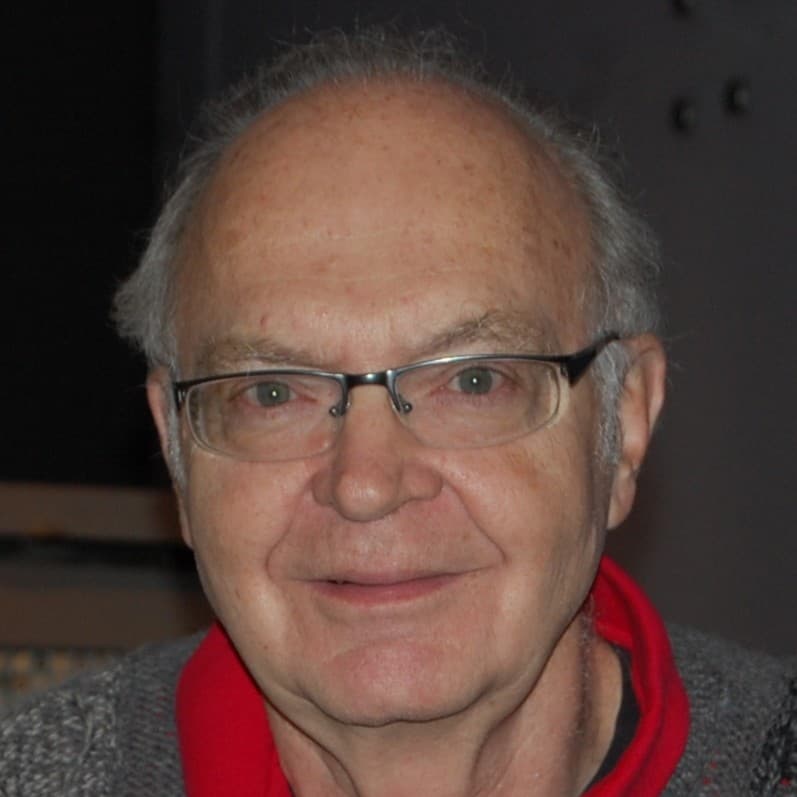
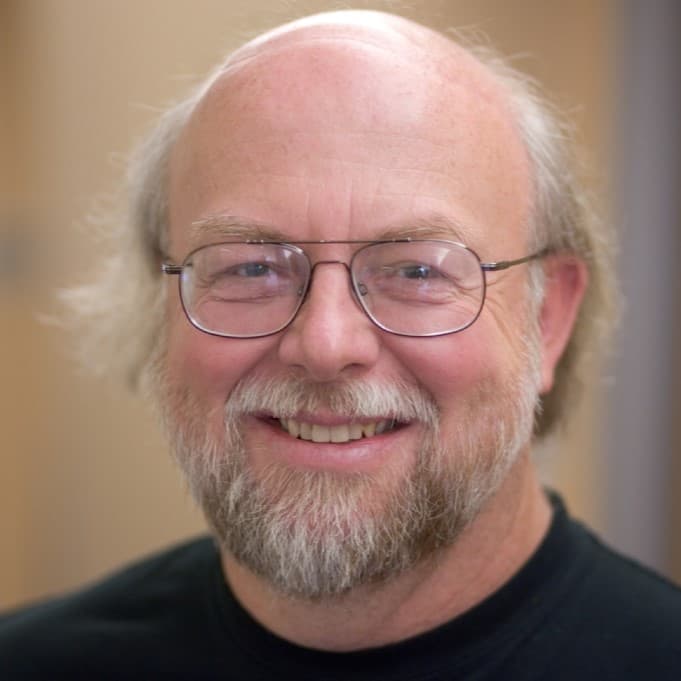
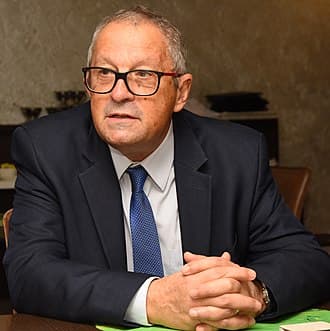
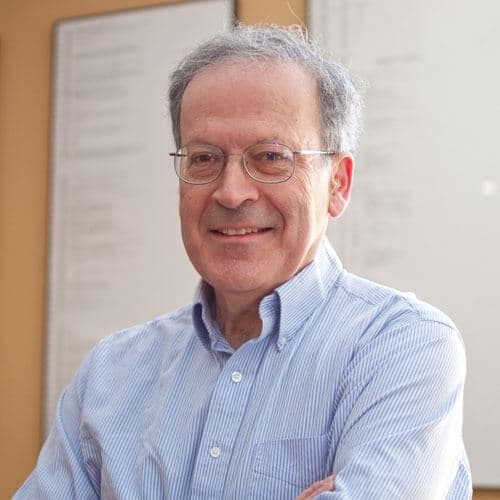
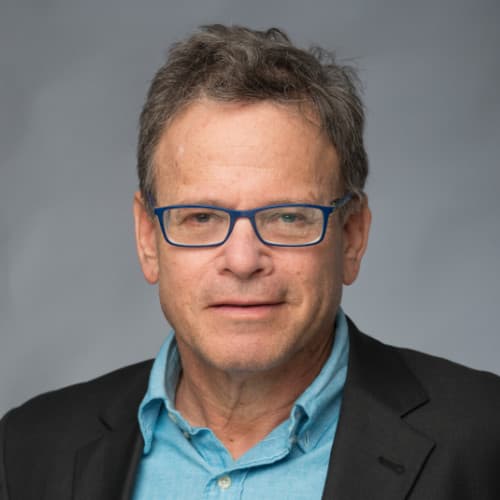
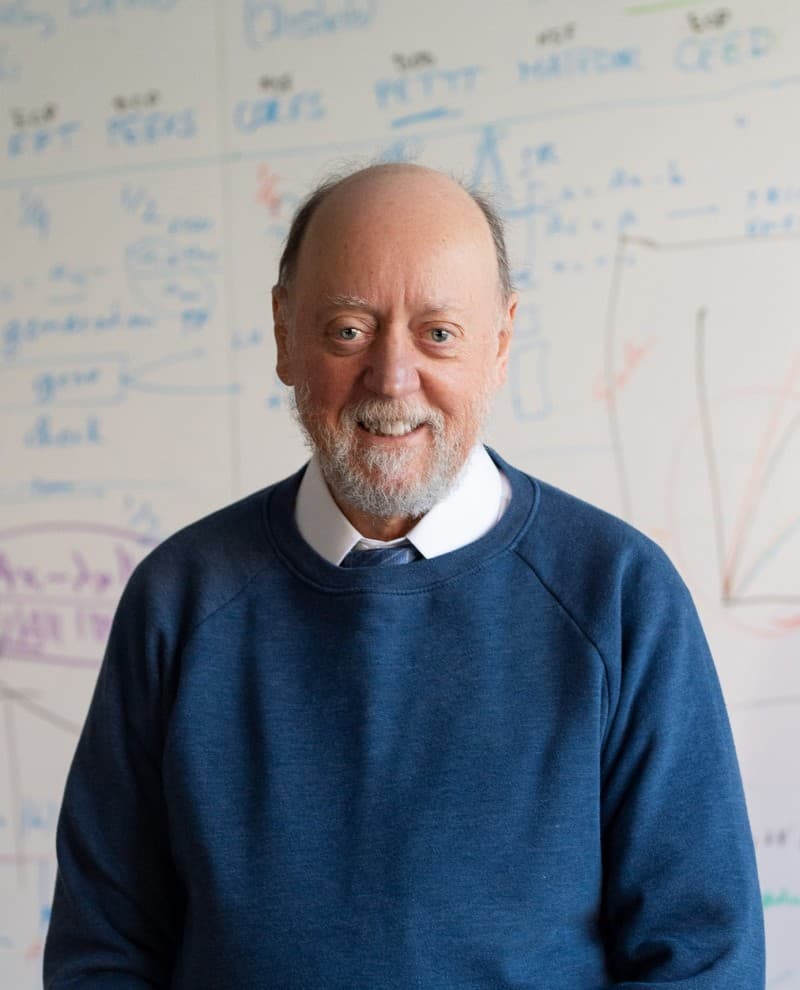
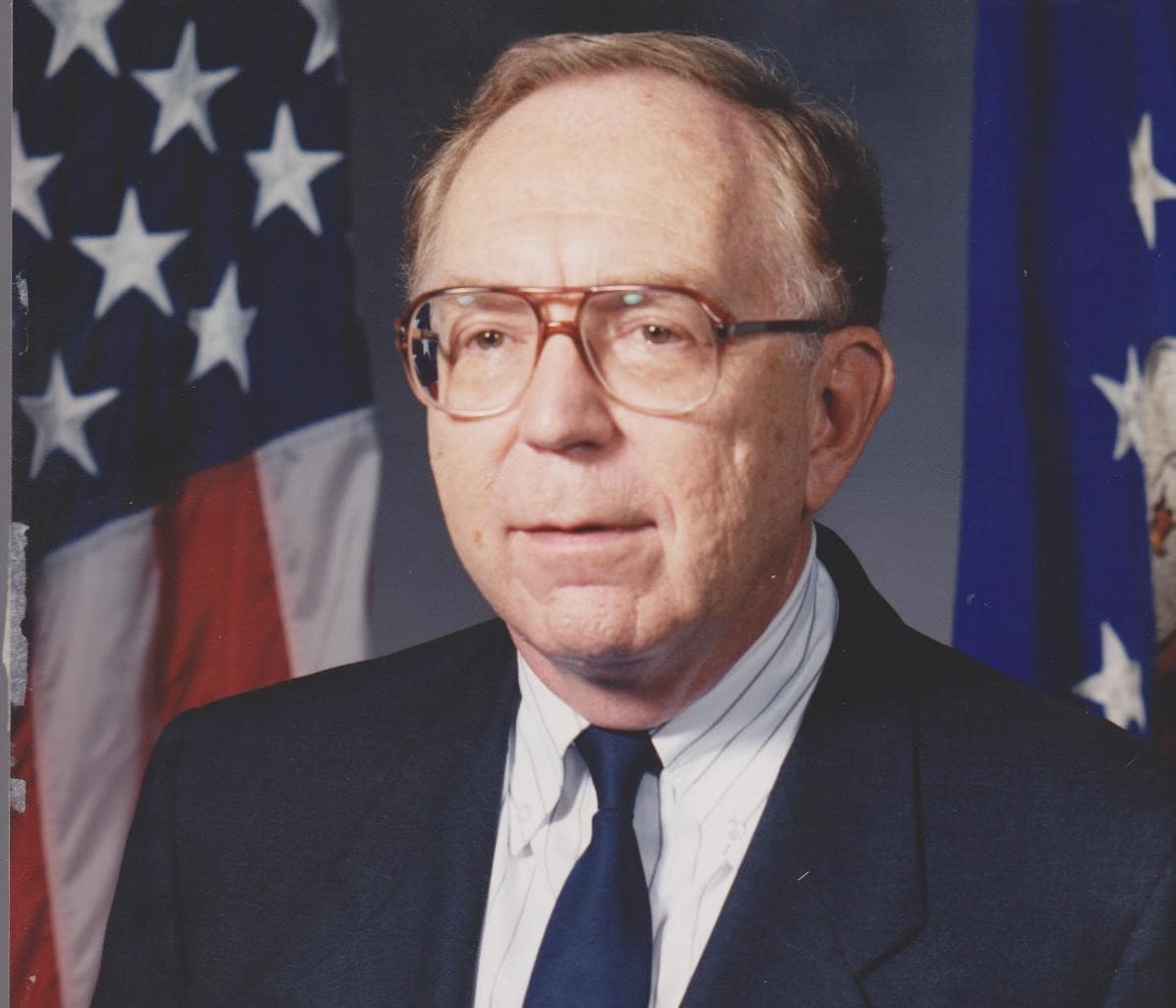
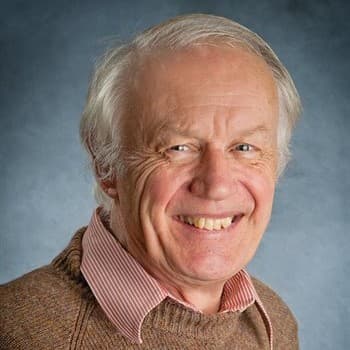
Prof. Jeffrey David 'Jeff' Ullman is an esteemed computer scientist known for his substantial contributions to database theory, data mining, and software engineering. He is a Turing Award laureate, co-authoring foundational textbooks in computer science.
Question of the Day
“In the age of machine learning, are clever algorithms for large-scale data problems becoming a lost art?”
Insight: Ullman demonstrates that elegant algorithmic thinking remains essential. Locality-sensitive hashing, stream sampling, and approximate counting solve problems at scales where brute force and even ML approaches are computationally infeasible. The art of algorithms is not obsolete -- it is more needed than ever.
Talk Highlights: Data Science: Is it Real?
Professor Ullman presents four algorithmic techniques for large-scale data problems outside machine learning: locality-sensitive hashing for entity resolution, approximate counting of distinct elements in streams, proper sampling of data streams, and optimal triangle-finding in large graphs. He demonstrates that clever algorithmic design can solve problems at scales where brute-force approaches are computationally infeasible.
Key Takeaways
- Locality-sensitive hashing solves the seemingly impossible problem of finding similar pairs among billions of items without comparing every pair -- designing hash functions where similar items land in the same bucket while dissimilar items rarely do.
- When sampling data streams, sampling by position versus by key value gives fundamentally different results -- position-based sampling is useless for uniqueness queries because items appearing twice have an 18% chance of appearing exactly once in a 10% sample.
- The Flajolet-Martin algorithm for counting distinct elements uses only a few bits per counter by tracking maximum trailing zeros in hashed values -- elegant sublinear-space counting.
Notable Quotes
“Everyone knows machine learning is a very important deal these days, but the point I'm trying to make is that there are still some very interesting algorithms, typically involving very large scale data, that are not really machine learning.”
“Marvin Minsky once said that you can tell a computer scientist by the fact that they believe that hashing is real. I think locality-sensitive hashing is another one of these ideas that your intuition would be that it's impossible, but it in fact is possible.”
Biography +
Jeffrey D. Ullman
Early Life and Education
Jeffrey David Ullman, born November 22, 1942, is an American computer scientist and Professor Emeritus at Stanford University. He earned his B.S. in Engineering Mathematics from Columbia University in 1963 and his Ph.D. in Electrical Engineering from Princeton University in 1966.
Career and Contributions
Bell Labs and Princeton
After his doctorate, Ullman spent three years at Bell Labs before joining Princeton University in 1969, where he was promoted to Full Professor in 1974.
Stanford University
In 1979, Ullman moved to Stanford, serving as Chair of Computer Science (1990-1994). He is best known for transformative textbooks: the "Dragon Book" on compilers (with Aho and Sethi), the "Cinderella Book" on automata theory (with Hopcroft and Motwani), and "Mining of Massive Datasets" (with Leskovec and Rajaraman). His doctoral students include Sergey Brin, co-founder of Google.
Awards and Honors
- 2000: Knuth Prize
- 2010: IEEE John von Neumann Medal (with Hopcroft)
- 2020: ACM A.M. Turing Award (with Alfred Aho) for foundational contributions to programming language implementation and compiler design
- 2020: Elected to the National Academy of Sciences
Career Timeline +
Career Timeline
- 1942: Born on November 22
- 1963: B.S. from Columbia University
- 1966: Ph.D. from Princeton University
- 1966-1969: Researcher at Bell Labs
- 1969: Joined Princeton University faculty
- 1979: Joined Stanford University
- 1990-1994: Chair of Stanford Computer Science Department
- 1994: Named ACM Fellow
- 2000: Awarded the Knuth Prize
- 2003: Became Professor Emeritus at Stanford
- 2010: IEEE John von Neumann Medal
- 2020: ACM A.M. Turing Award (with Alfred Aho)
Content produced by Turing Minds. Usage guidelines.