March 20th, 1:30pm EST
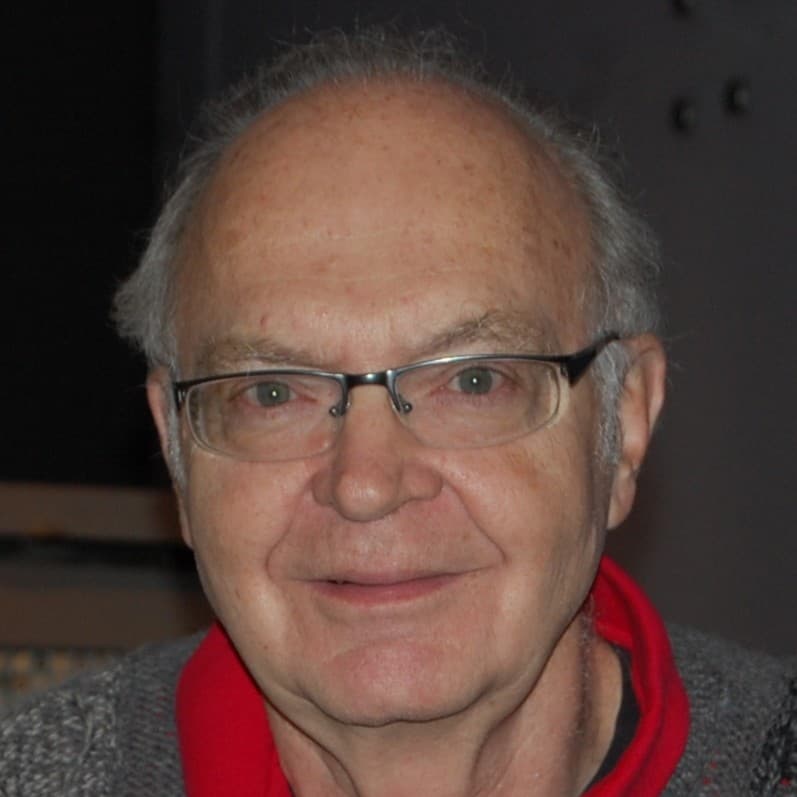
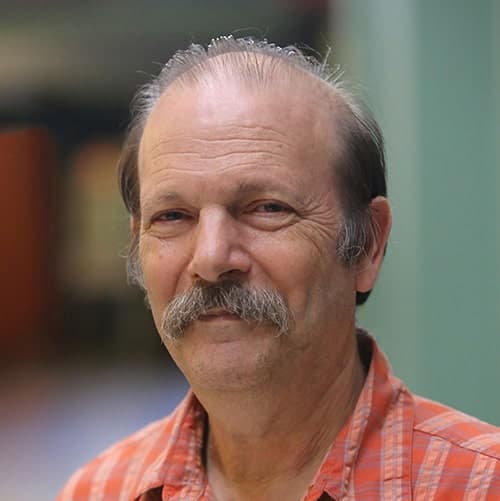
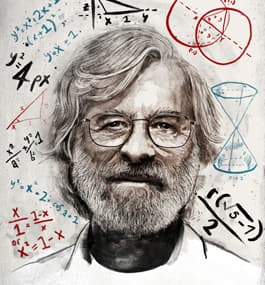
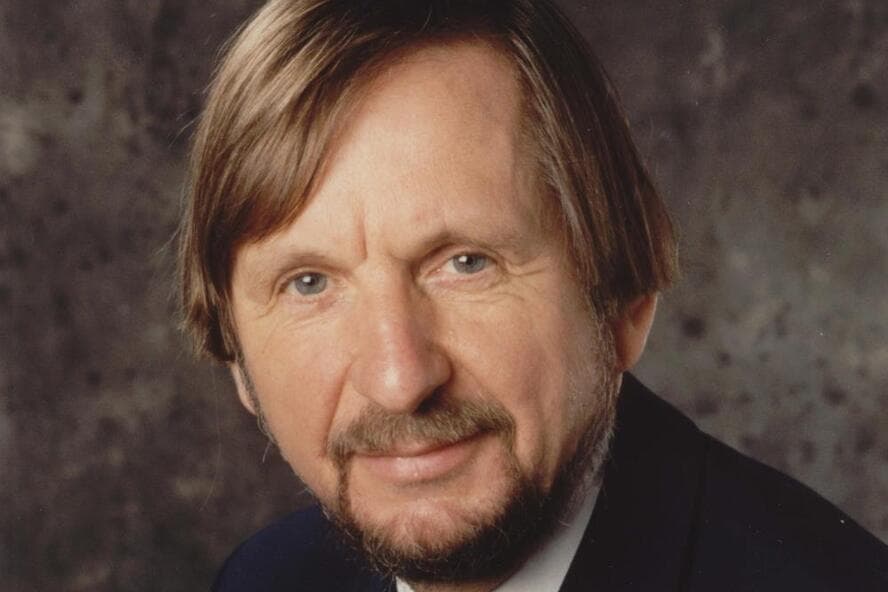
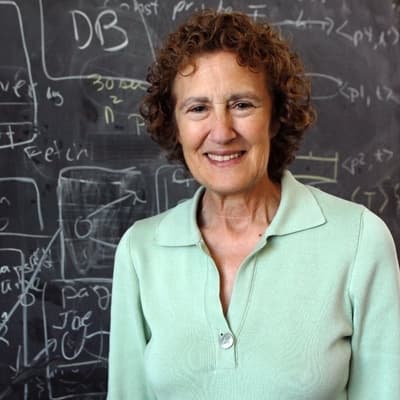
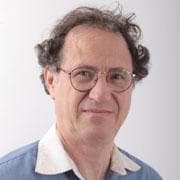
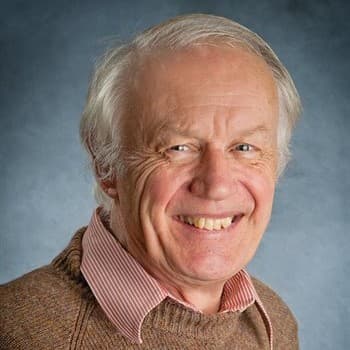
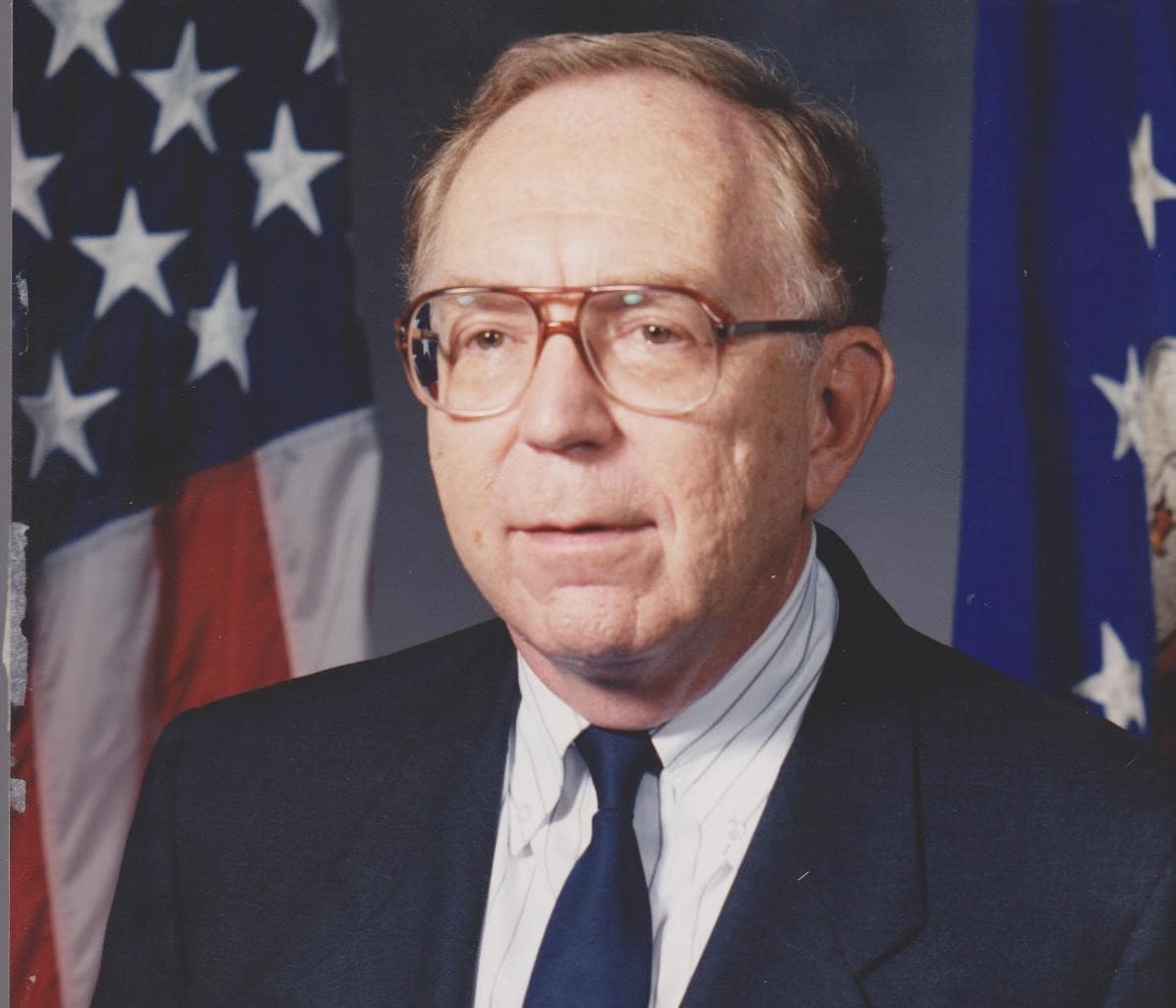
Dr. Edward Feigenbaum is a pioneer in artificial intelligence, known as the 'father of expert systems,' and a joint winner of the 1994 ACM Turing Award.
Question of the Day
“Expert systems captured human knowledge in rules. Modern AI learns from data. Which approach better handles the knowledge we cannot articulate?”
Insight: Feigenbaum pioneered the idea that domain expertise is the key to intelligent systems. Modern deep learning excels at tacit knowledge that humans struggle to express in rules, while expert systems excel at explicit, auditable reasoning. The most powerful future systems may combine both approaches.
Biography +
Edward Feigenbaum
Early Life and Education
Edward Albert Feigenbaum, born January 20, 1936, in Weehawken, New Jersey, is an American computer scientist known as the "father of expert systems." He earned his bachelor's degree from Carnegie Institute of Technology in 1956 and his Ph.D. in 1960 under Herbert A. Simon. His dissertation produced EPAM, one of the first computer models of human learning.
Career and Contributions
From 1960 to 1965 Feigenbaum taught at UC Berkeley. In 1965 he joined Stanford University, co-founding its computer science department. At Stanford he led DENDRAL, a landmark expert system for molecular structure analysis, and MYCIN for medical diagnosis. He co-founded IntelliCorp and Teknowledge to commercialize knowledge engineering. He served as Chief Scientist of the U.S. Air Force.
Awards and Honors
- 1994: ACM A.M. Turing Award (shared with Raj Reddy) for pioneering large-scale AI systems
- 1997: U.S. Air Force Exceptional Civilian Service Award
- 2007: Named ACM Fellow
- 2012: Computer History Museum Fellow
- 2013: IEEE Computer Pioneer Award
Career Timeline +
Career Timeline
- 1936: Born in Weehawken, New Jersey
- 1956: B.S. from Carnegie Institute of Technology
- 1960: Ph.D. under Herbert A. Simon; developed EPAM
- 1960-1965: Faculty at UC Berkeley
- 1965: Joined Stanford University; co-founded CS department
- 1960s-1970s: Led DENDRAL and MYCIN projects
- 1981: Co-founded Teknowledge
- 1994: ACM A.M. Turing Award
- 2000: Became Professor Emeritus at Stanford
- 2012: Computer History Museum Fellow
Content produced by Turing Minds. Usage guidelines.